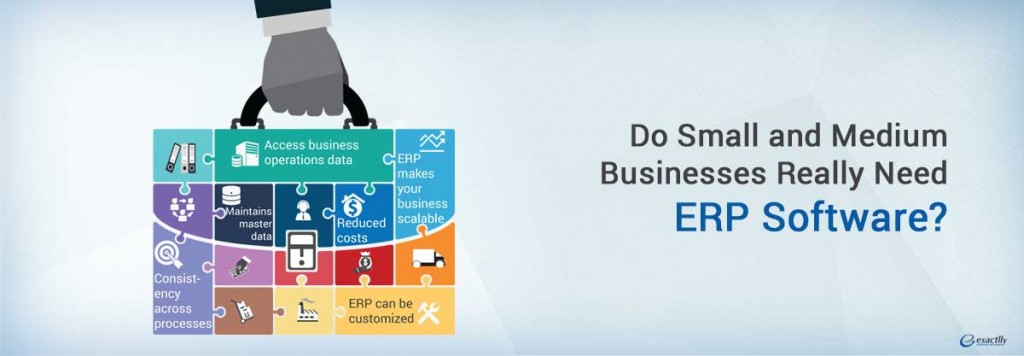
Sage ERP: A Comprehensive Guide to the Enterprise Resource Planning Solution
Introduction
In the ever-evolving landscape of business operations, efficient management and optimization of resources are paramount. Enterprise Resource Planning (ERP) systems have emerged as indispensable tools for businesses seeking to streamline their processes, enhance collaboration, and gain a competitive edge. Among the leading ERP solutions, Sage ERP stands out as a robust and comprehensive platform tailored to the unique needs of organizations across various industries. This in-depth article delves into the intricacies of Sage ERP, exploring its capabilities, benefits, challenges, and best practices to empower businesses in their digital transformation journey.
Understanding Sage ERP: A Holistic Approach to Business Management
Sage ERP is a comprehensive ERP solution designed to provide businesses with a centralized platform for managing their core business processes. From financial management and supply chain operations to customer relationship management and human resources, Sage ERP integrates all aspects of an organization’s operations into a single, unified system. This holistic approach streamlines workflows, eliminates data silos, and provides real-time visibility into business performance.
Key Features and Modules of Sage ERP
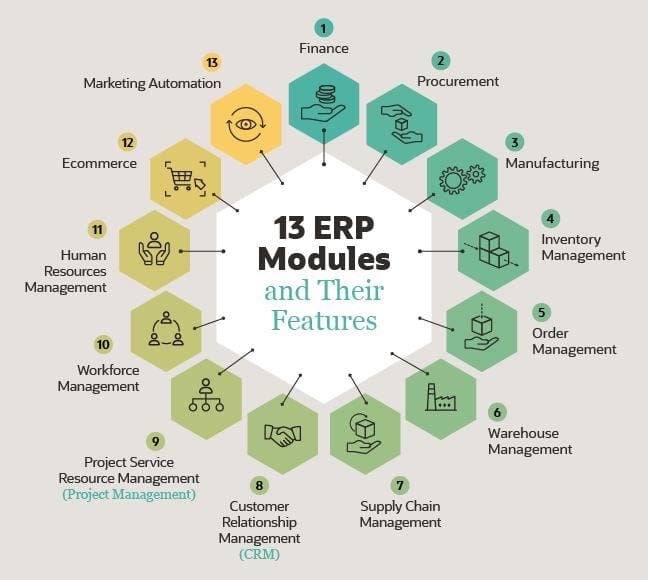
Sage ERP encompasses a wide range of modules that cater to the diverse needs of businesses. These modules include:
- Financial Management: General ledger, accounts payable, accounts receivable, cash management, and financial reporting
- Supply Chain Management: Inventory management, purchasing, order fulfillment, and warehouse management
- Customer Relationship Management (CRM): Sales management, marketing automation, customer service, and support
- Human Resources (HR): Payroll, benefits administration, employee self-service, and talent management
- Business Intelligence (BI): Reporting, analytics, dashboards, and data visualization
 .
.
Benefits of Implementing Sage ERP
The implementation of Sage ERP can bring about numerous benefits for businesses, including:
- Enhanced Efficiency and Productivity: Sage ERP automates many repetitive tasks, freeing up employees to focus on more strategic initiatives.
- Improved Collaboration and Communication: The centralized platform facilitates seamless communication and collaboration among different departments.
- Real-Time Data Visibility: Sage ERP provides real-time insights into key business metrics, enabling informed decision-making.
- Reduced Costs: By streamlining operations and eliminating redundancies, Sage ERP can significantly reduce operating costs.
- Increased Customer Satisfaction: Improved customer service and support capabilities lead to higher customer satisfaction and loyalty.
 .
.
Challenges of Implementing Sage ERP
While Sage ERP offers significant benefits, its implementation can also pose certain challenges:
- Cost of Implementation: The cost of implementing Sage ERP can be substantial, depending on the size and complexity of the organization.
- Complexity of Integration: Integrating Sage ERP with existing systems and applications can be complex and time-consuming.
- Data Migration: Migrating data from legacy systems to Sage ERP can be a challenging and error-prone process.
- User Adoption: Ensuring that users embrace and adopt the new system can be a critical factor in its success.
Best Practices for Implementing Sage ERP
To maximize the benefits of Sage ERP implementation, organizations should follow these best practices:
- Define Clear Business Objectives: Clearly define the business objectives that the ERP implementation aims to achieve.
- Plan Thoroughly: Develop a detailed implementation plan that outlines timelines, resources, and responsibilities.
- Engage Stakeholders: Involve key stakeholders in the planning and implementation process to ensure buy-in and support.
- Train Users Effectively: Provide comprehensive training to users to ensure they are proficient in using the system.
- Monitor and Evaluate: Regularly monitor the performance of the ERP system and make adjustments as needed.
Alternatives to Sage ERP
While Sage ERP is a popular ERP solution, it may not be the best fit for every organization. Some alternative ERP solutions include:
- SAP ERP: A comprehensive ERP solution designed for large enterprises.
- Oracle NetSuite: A cloud-based ERP solution suitable for mid-sized businesses.
- Microsoft Dynamics 365: A cloud-based ERP solution that integrates with Microsoft Office 365.
- Acumatica: A cloud-based ERP solution that is highly customizable.
Frequently Asked Questions (FAQs)
Q: What industries is Sage ERP best suited for?
A: Sage ERP is suitable for a wide range of industries, including manufacturing, distribution, retail, healthcare, and non-profit organizations.
Q: How long does it typically take to implement Sage ERP?
A: The implementation timeline can vary depending on the size and complexity of the organization, but typically ranges from 6 to 12 months.
Q: What is the cost of implementing Sage ERP?
A: The cost of implementation can vary significantly depending on factors such as the number of users, modules implemented, and customization requirements.
Q: Is Sage ERP easy to use?
A: Sage ERP is designed to be user-friendly and intuitive, with a graphical user interface and customizable dashboards.
Q: Does Sage ERP offer cloud-based deployment options?
A: Yes, Sage ERP offers both on-premises and cloud-based deployment options.
Q: How does Sage ERP compare to other ERP solutions?
A: Sage ERP is a robust and comprehensive ERP solution that compares favorably to other leading ERP systems in terms of functionality, scalability, and ease of use.
Q: What are the key benefits of using Sage ERP?
A: Sage ERP offers numerous benefits, including enhanced efficiency, improved collaboration, real-time data visibility, reduced costs, and increased customer satisfaction.
Q: What are the challenges of implementing Sage ERP?
A: The challenges of implementing Sage ERP include the cost of implementation, complexity of integration, data migration, and user adoption.
Q: What are the best practices for implementing Sage ERP?
A: Best practices for implementing Sage ERP include defining clear business objectives, planning thoroughly, engaging stakeholders, training users effectively, and monitoring and evaluating the system’s performance.
Conclusion
Sage ERP is a powerful and versatile ERP solution that can transform business operations, streamline processes, and drive growth. By leveraging the comprehensive capabilities of Sage ERP, organizations can gain a competitive edge, improve decision-making, and achieve their strategic goals. However, it is important to carefully consider the costs, challenges, and alternatives before embarking on an ERP implementation journey. With a well-defined plan, effective execution, and ongoing support, businesses can harness the full potential of Sage ERP to unlock operational excellence and drive business success.
.